
(Read Mark 16)
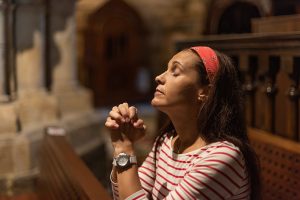 Southern hospitality is what drew me here since I was eight years old. Sure, the weather is fantastic, the skies are “bluebird blue,” James Taylor and Duane Allman wrote songs about it, and the pace of life is much easier to deal with, but it’s the friendliness and charm that draw you in. It’s not uncommon when sharing problems with someone in the south to hear them say, “Bless your heart — I’ll pray for you.” As an optimist, I believe it’s meant with the greatest intentions. But take it from southern Baptist Pastor JD Greear, who humorously calls it out as a “fake nicety like we often do in the South (where “Bless your heart” means ‘What an idiot’).”
We’ve lived in North Carolina for five years and have intimately known people below the Mason-Dixon line our whole lives, so we believe there’s sincerity in their gestures. Whether there’s actually prayer happening when promised or not is between God and the promiser. There’s such a strong desire to utter, “I’ll pray for you,” when someone is pouring out their pain to you, it’s almost impossible to hold it back. But I only respond with that promise once I do it. Between my ADD and my hectic schedule, I put bets on whether I’ll forget or not get around to that promised prayer. In some ways, there are similarities between non-believers saying, “I’m thinking positive thoughts for you,” and a Christ-follower saying, “I’ll pray for you.” Are they both just going through the motions? Or is there more to it?
Saturday evening, when the Sabbath ended, Mary Magdalene, Mary the mother of James, and Salome went out and purchased burial spices so they could anoint Jesus’ body. Very early on Sunday morning, just at sunrise, they went to the tomb. On the way, they were asking each other, “Who will roll away the stone for us from the entrance to the tomb?” But as they arrived, they looked up and saw that the stone, which was very large, had already been rolled aside.
Mark 16:1-4
The words jumped off the page at me. It’s as if they were already highlighted. My first thought was Mary, Mary, and Salome, while resolute in their faith, probably didn’t expect that encounter upon entering the tomb. None of Jesus’ disciples expected the empty tomb – even though Jesus told them He would rise again. Going through the motions, they bought burial supplies and headed toward the tomb. Then, the Aha moment. “Who will roll away the stone for us…”! Some estimate the weight of the stone at 1-2 tons. Certainly, the three women couldn’t budge that mass even by rolling it. Didn’t matter. They set out to their destination bent on one goal: to prepare Jesus’ body.
Getting spices for a body was a common practice in Jewish burial customs of the time, not for mummification but to honor the deceased and mask the odor of decomposition. The fact that they brought spices to Jesus’ dead body proved that they expected to see him there. Was it their adherence to tradition alone that drove them to visit the tomb with no idea of how they would move the stone? Were they going through cultural motions, or were they expecting more? Fulfilling a promised prayer, being present with someone in need, and ministering to the poor on the surface are all checklist things Christ told us to do. Going through the motions without faith is legalism. Checking the boxes with faith, expectations, and purpose is a sign of the Holy Spirit at work.
I love that the three women didn’t consider barriers when leaving for the sealed tomb. Their question about “Who will roll away the stone” begs us to ask the same thing. The stone was not just a symbol but a massive slab of rock potentially blocking them from completing their mission and seeing Jesus. When we ask, “Who will roll away the stone for us,” we need to have faith that, more than any human, God can do it today, as he did in Jerusalem 2,000 years ago. We learned from John 20:19 that Jesus’ resurrected body can pass through anything, so He didn’t need the stone moved. It was rolled away to let us see inside the tomb that Jesus had risen from the dead, not to let Him out.
But he said to them, “Do not be alarmed. You seek Jesus of Nazareth, who was crucified. He is risen! He is not here. See the place where they laid Him. But go, tell His disciples—and Peter—that He is going before you into Galilee; there you will see Him, as He said to you.”
So they went out quickly and fled from the tomb, for they trembled and were amazed. And they said nothing to anyone, for they were afraid.
Mark 16: 6-8
Most likely, it was an angel who reassured them, telling them not to be afraid and informing them of the resurrection of Jesus. The angel invited them to see the empty tomb and verify that Jesus was not there, as he had been raised from the dead.
I’ve heard too many times in my life that Christians are bound to their religion by blind faith. God doesn’t want us to know Him through blind faith. If that’s so, why are there so many references in the Bible that point to us seeing the risen Christ? God shows us through our daily walk how He works. He wants us to see and recognize Him. If He wanted sheer obedience through fear or blindness in belief, there would be no love relationship. From the beginning, that’s all He’s wanted.
In the Greek translation of this passage above, the tone is objective and impassive, as it would be from a stranger, foreigner, or someone from a distant world. The angel undoubtedly saw the terrified look on their faces and needed to reassure them. They set out on their dutiful trek to prepare Jesus for permanent burial but ended with hearts filled with awe and joy!
“The Lord says: ‘These people come near to me with their mouth and honor me with their lips, but their hearts are far from me. Their worship of me is based on merely human rules they have been taught.’“
Isaiah 29:13
Authenticity and truth are at stake in our Christian walk. God wants an all-in-committed relationship with Him. When He says “hearts,” He means emotions, loyalties, sincerity, humility, and truth. The way Mary, Mary, and Salome’s hearts were filled is what God seeks from our relationship with Him. We can talk a good game, especially those who know the right keywords and phrases, but it’s what’s in our hearts that matters most. Do we pray, worship, and minister dutifully or lovingly? Is truth our version of truth or God’s?
Our prayer life is a reflection of our connection with Jesus. Our faith is a reflection of God’s perfection, grace, and love. If we’re not doing this with our hearts, we’re not doing it right. So, if we say we’re going to pray for someone, do it! If we’re going to do it, mean it. After a breakfast meeting this morning, I went for a run before work (yes, I know I talk about this all the time), and I spent the entirety of my run praying.
When I got home after my run, I received a text from the friend I had been praying for. His text was the most amazing response to my prayer. It was so much of what was contained in my prayer. It was my prayer!
The three women loaded with burial spices were probably doing what most women would do in 1st Century Judea after the death of a loved one. What do you think? Were they going through the motions, or were they expecting more in their hearts? Faithful prayer, actions, and worship bring forth blessings from God. As followers of Jesus, I’m not sure what they anticipated that Sunday morning, but I believe they knew the truth in their hearts would bring something greater. It did. They were the first people to witness Christ’s resurrection.
When faced with unresolved issues and things blocking us from our relationship with Jesus, we need to move forward with anticipation toward Him and trust in His will. We will continue to stumble and even fall, but when we truly seek Him with all our hearts, we will come to know Him and know His glory!
“…He can renew His whole creation. It started with a resurrection of Jesus – one new thing that changes everything, In lives transformed by the spirit of Christ, we have a foretaste of a new future.”
–Richard Bauckham
Key Application:
In our lives, we face uncertainty, fear, and unexpected circumstances. However, the resurrection story reminds us that God is with us amid uncertainty and that His plans are greater than ours.
This week, pray to:
- Obey God’s commands even when we don’t fully understand the outcome.
- Trust in God’s providence, even when circumstances seem uncertain or difficult.
- Seek reassurance and guidance from God through prayer and Scripture.
- Share the good news of Jesus’ resurrection with others, even in the face of opposition or doubt.
By embracing faith despite fear and uncertainty, we experience the transformative power of God’s love.
Where else in your life can you live out the teachings of Christ? Look for next week’s Devotion.